Our first Sheffield Poverty Truth Commission began with a simple but powerful idea: that those who live with the sharpest experience of poverty should be at the heart of conversations about how to address it.
Too often, decisions about poverty are made without the meaningful involvement of those who know it firsthand. Policies are written, services are designed, and strategies are implemented, yet the voices of people experiencing poverty are frequently absent or reduced to consultation exercises. The first Commission set out to change that.
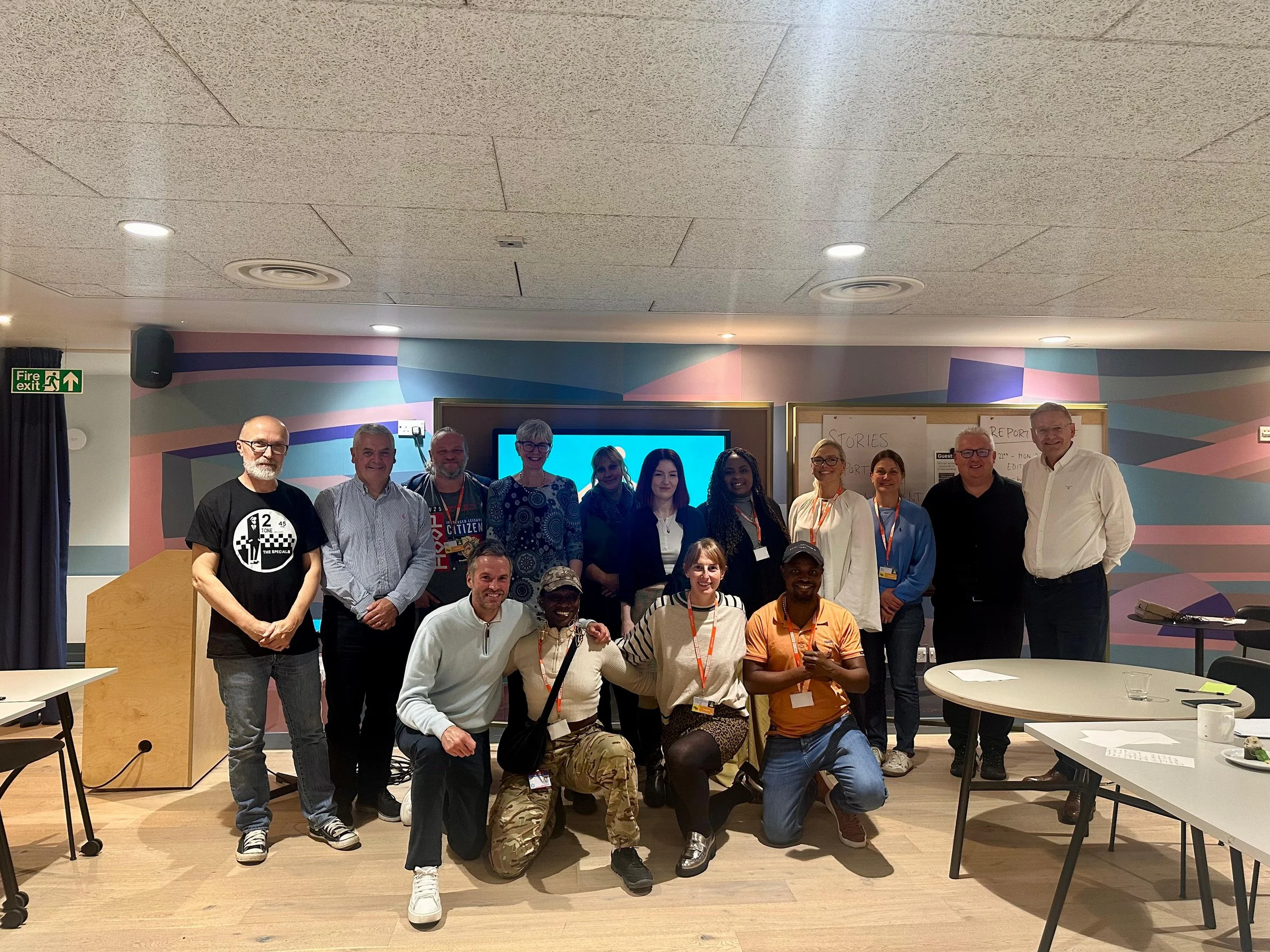
It brought together two groups of people: Community Commissioners — individuals with direct, lived experience of poverty — and Civic Commissioners — leaders from organisations, institutions, and public life. What made this approach distinctive was not just who was in the room, but how they came together.
The process began with building trust. Before any policy discussions or recommendations, there was a commitment to relationship. Community Commissioners met regularly, sharing their stories and experiences in a space that valued honesty and dignity. These conversations were not rushed. They were rooted in listening, in recognising the expertise that comes from lived experience.
Only once these relationships were established did Civic Commissioners join the process. Together, both groups entered into a shared space of dialogue — one where traditional hierarchies were intentionally set aside. Titles and roles mattered less than the willingness to listen, to learn, and to be changed by what was heard.
Through these conversations, difficult truths emerged. Commissioners spoke about the realities of navigating systems that often feel designed to exclude, the stigma and judgement that accompany poverty, and the cumulative impact of insecurity and lack of voice. Civic Commissioners, in turn, reflected on their own roles within these systems and began to see where change was needed.
The Commission did not aim to produce quick fixes. Instead, it focused on understanding — creating a deeper, more human picture of poverty and the systems surrounding it. From this shared understanding came a set of recommendations grounded not in theory, but in real lives.
We wanted to focus on root causes of poverty and social injustice and in doing so landed on three priorities:
Early Years, Children and Young People
Systems
Mental Health
Our first Sheffield Commission demonstrated that change begins with relationships. When people who would not normally meet come together as equals, new possibilities emerge. Assumptions are challenged, empathy grows, and solutions become more rooted in reality.
The legacy of the first Poverty Truth Commission is not just in the recommendations it produced, but in the model it established. It showed that when we centre the voices of those most affected, and when we build genuine relationships across divides, we create the conditions for meaningful and lasting change.
You can download and read our first Poverty Truth Commission report below.